Exactly How Cold Laser Treatment for Pets Promotes Faster Recuperation and Enhances Mobility
Cold laser therapy is obtaining grip as an efficient treatment for dogs recouping from surgical treatments and injuries (Cold Laser Therapy For Dogs). By promoting cellular feature and boosting blood flow, this non-invasive technique aids in reducing inflammation and discomfort. Numerous family pet owners report noticeable enhancements in their pets' mobility and high quality of life. Comprehending the complexities of this treatment and its benefits is important for making notified decisions about canine treatment. What exactly does the procedure entail?
What Is Cold Laser Therapy and Just How Does It Function?
Cold laser therapy, also recognized as low-level laser treatment (LLLT), is a non-invasive therapy that uses particular wavelengths of light to promote healing and lower pain in dogs. This method employs light-emitting diodes or low-power lasers (LEDs) to permeate the skin and stimulate mobile function. By targeting soft cells, the treatment enhances blood flow, urges cells fixing, and reduces inflammation.
The system behind cool laser therapy includes the absorption of photons by the cells, which activates numerous biochemical processes. This stimulation brings about boosted ATP manufacturing, enhancing cellular metabolic rate and speeding up the recovery procedure. As a result, dogs undertaking this treatment might experience minimized pain and swelling, improved mobility, and boosted recuperation times. It is frequently utilized to deal with a range of problems, including joint inflammation, post-surgical pain, and injuries. The non-invasive nature of the therapy makes it a risk-free alternative for several canine individuals seeking relief.
Advantages of Cold Laser Therapy for Pet Dogs
While numerous family pet proprietors seek effective pain relief options for their dogs, chilly laser treatment provides a series of benefits that can significantly improve a pet dog's high quality of life. This non-invasive therapy promotes healing by stimulating cellular function and boosting blood circulation, which can bring about much faster recovery from surgical treatments or injuries. In addition, the therapy can decrease swelling and ease discomfort, making it possible for pet dogs to restore flexibility and engage in exercises more pleasantly.
Cold laser treatment is typically well-tolerated and likewise secure, making it suitable for canines of all sizes and ages. It may help in reducing the need for medicines, minimizing prospective negative effects related to pharmaceuticals. Furthermore, many dogs experience relaxation throughout therapy sessions, adding to total health. By including cool laser therapy right into their treatment routines, pet proprietors may observe substantial enhancements in their pets' physical condition and joy, inevitably cultivating a stronger bond in between them.
Conditions Dealt With With Cold Laser Therapy
Many conditions affecting pets can be properly treated with cool laser treatment, as this ingenious strategy addresses both chronic and acute problems. This treatment is especially useful for taking care of discomfort linked with joint inflammation, hip dysplasia, and other degenerative joint conditions. It promotes healing in soft cells injuries, such as stress and sprains, and aids healing from operations.
In addition to musculoskeletal problems, chilly laser therapy can likewise alleviate symptoms of inflammation and assist in injury recovery. Conditions like bursitis, nerve, and tendonitis injuries respond well to this non-invasive treatment. Furthermore, cool laser treatment can be reliable in managing chronic problems such as intervertebral disc disease and specific skin-related issues. The versatility of this therapy makes it a valuable option for veterinarians, assisting pet dogs gain back flexibility and enhance their general high quality of life.
The Therapy Process: What to Anticipate

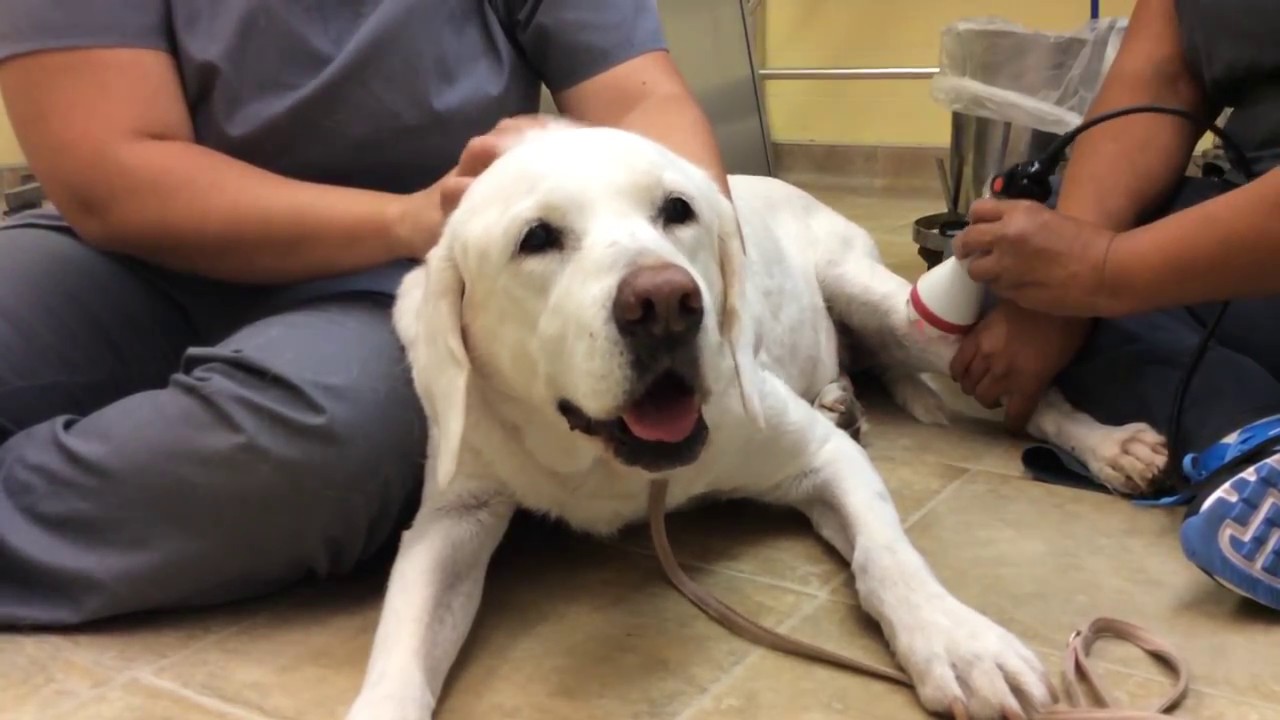
The laser penetrates the skin, boosting mobile activity and advertising recovery without creating pain. The majority of pets remain calm and kicked back throughout the session, with some even appreciating the warmth of the laser.
Procedure might be repeated multiple times a week, depending upon the condition being dealt with and the vet's suggestions. Throughout the treatment process, pet dog proprietors are urged to observe their pet's action and communicate any type of concerns. This collaborative technique assurances that both the proprietor and the pet dog feel educated and involved in the healing journey.
Contrasting Cold Laser Therapy to Traditional Treatments
When contrasting cold laser therapy to traditional treatments for canines, the differences in mechanism of action are significant. Cold laser therapy advertises healing at a cellular level without the invasive effects typically associated with traditional techniques - Cold Laser Therapy For Dogs. Furthermore, healing times may vary, with cold laser treatment possibly using quicker recovery benefits
System of Action
Although conventional treatments for injuries and pain in pets often rely upon drugs and intrusive procedures, cold laser treatment supplies a non-invasive option that promotes healing via a various system of action. This therapy utilizes low-level lasers to penetrate the skin, boosting cellular functions such as ATP manufacturing, which boosts energy metabolism in cells. Enhanced circulation and decreased swelling are additionally vital effects, as look what i found the laser promotes vasodilation and urges the release of endorphins. Unlike traditional methods, which might mask pain or call for surgical treatment, chilly laser treatment addresses the underlying reasons of discomfort, helping with all-natural healing procedures. This one-of-a-kind technique permits enhanced recuperation times and much better flexibility, making it a positive option for handling canine injuries.
Recovery Time Comparison
While typical treatments for injuries in pet dogs frequently entail longer healing times as a result of their invasive nature and reliance on drugs, cool laser therapy can considerably expedite the healing process. Researches show that canines getting cool laser therapy experience considerably shorter recuperation durations compared to those undergoing traditional techniques. Typical treatments may take weeks or even months, commonly gone along with by side effects from medicines. In contrast, cool laser therapy promotes cells repair service and minimizes swelling without the demand for invasive procedures or medications. This non-invasive strategy not just increases recovery but also enhances movement much more quickly, allowing pet dogs to go back to their typical activities quicker. Pet owners increasingly decide for cool laser treatment as a reliable option for their canine buddies.
Success Stories: Dog Healing With Cold Laser Therapy
Many dogs have actually experienced impressive recovery trips with cold laser therapy, showcasing the therapy's possibility. Family pet owners have reported substantial renovations in their canines' wheelchair, enabling them to engage in tasks they when appreciated. These success tales highlight the efficiency of cold laser treatment as a beneficial alternative for canine healing.
Impressive Recovery Journeys
Extremely, countless dogs have actually experienced transformative healings with cool laser therapy, showcasing its effectiveness in minimizing pain and promoting recovery. One significant case entailed a golden retriever called Max, who battled with extreme arthritis. After numerous sessions of chilly laser treatment, his owners reported a significant decrease in his discomfort, enabling him to resume his day-to-day walks. Bella, a dachshund with a history of spine injuries, displayed exceptional improvement. Following her treatment, she reclaimed strength and wheelchair, permitting her to play once again. These success tales illustrate exactly how cool laser therapy not just addresses pain administration yet also promotes a recovery environment, equipping pets to reclaim their liveliness and take pleasure in a better high quality of life.
Boosted Mobility Examples
The positive end results of cool laser therapy prolong past discomfort alleviation, noticeably boosting mobility in canines. Many success stories highlight the transformative impacts of this therapy. A Labrador retriever named Max, previously struggling with arthritis, regained his ability to run and play after several sessions, much to his owner's delight. Similarly, Bella, a German shepherd recovering from surgery, showed significant improvement in her variety of motion and was quickly able to enjoy lengthy strolls once more. Furthermore, a senior beagle called Sissy showed enhanced agility and enthusiasm in her day-to-day tasks post-therapy, causing a much better lifestyle. These examples highlight the effectiveness of cool laser treatment in cultivating wheelchair and general well-being in dogs.
Frequently Asked Inquiries
Is Cold Laser Treatment Safe for All Pet Breeds?
Cold laser therapy is generally taken into consideration safe for all pet breeds. It is important to consult a vet prior to treatment, as specific wellness conditions and level of sensitivities might affect its viability for certain dogs.
The length of time Does Each Cold Laser Therapy Session Last?
Each cool laser therapy session generally lasts in between 10 to thirty minutes, depending on the particular treatment goals and the canine's condition. The vet will establish the suitable period based on private requirements and response.
Can Cold Laser Treatment Be Combined With Various Other Treatments?

How Many Sessions Are Commonly Required for Obvious Outcomes?
Are There Any Kind Of Adverse Effects Connected With Cold Laser Therapy?
Cold laser treatment is generally thought about risk-free, with very little adverse effects. Sometimes, pet dogs might experience mild pain or momentary swelling at the therapy Resources website, yet significant negative reactions are unusual and generally settle rapidly.
Cold laser treatment, likewise known as low-level laser treatment (LLLT), is a non-invasive therapy that uses certain wavelengths of light to promote healing and minimize discomfort in pet dogs. While several family pet owners seek reliable discomfort relief alternatives for their pet dogs, cool laser therapy offers a variety of benefits that can substantially improve a dog's quality of life. Standard therapies for injuries and pain in pets typically count on pharmaceuticals and invasive treatments, cool laser treatment provides a non-invasive alternative that advertises healing via a different device of activity. While conventional therapies for injuries in canines typically entail longer recuperation times due to their invasive nature and reliance on drugs, cold laser therapy can greatly expedite the recovery procedure. Cold laser therapy can undoubtedly be incorporated with various other treatments, such as physical therapy or medicine.